
Guided self-inquiry
Everyone You Know Is in the Deck
Tarot and oracle cards for self-inquiry: choosing images to represent the people in your life and exploring the stories you create with them.
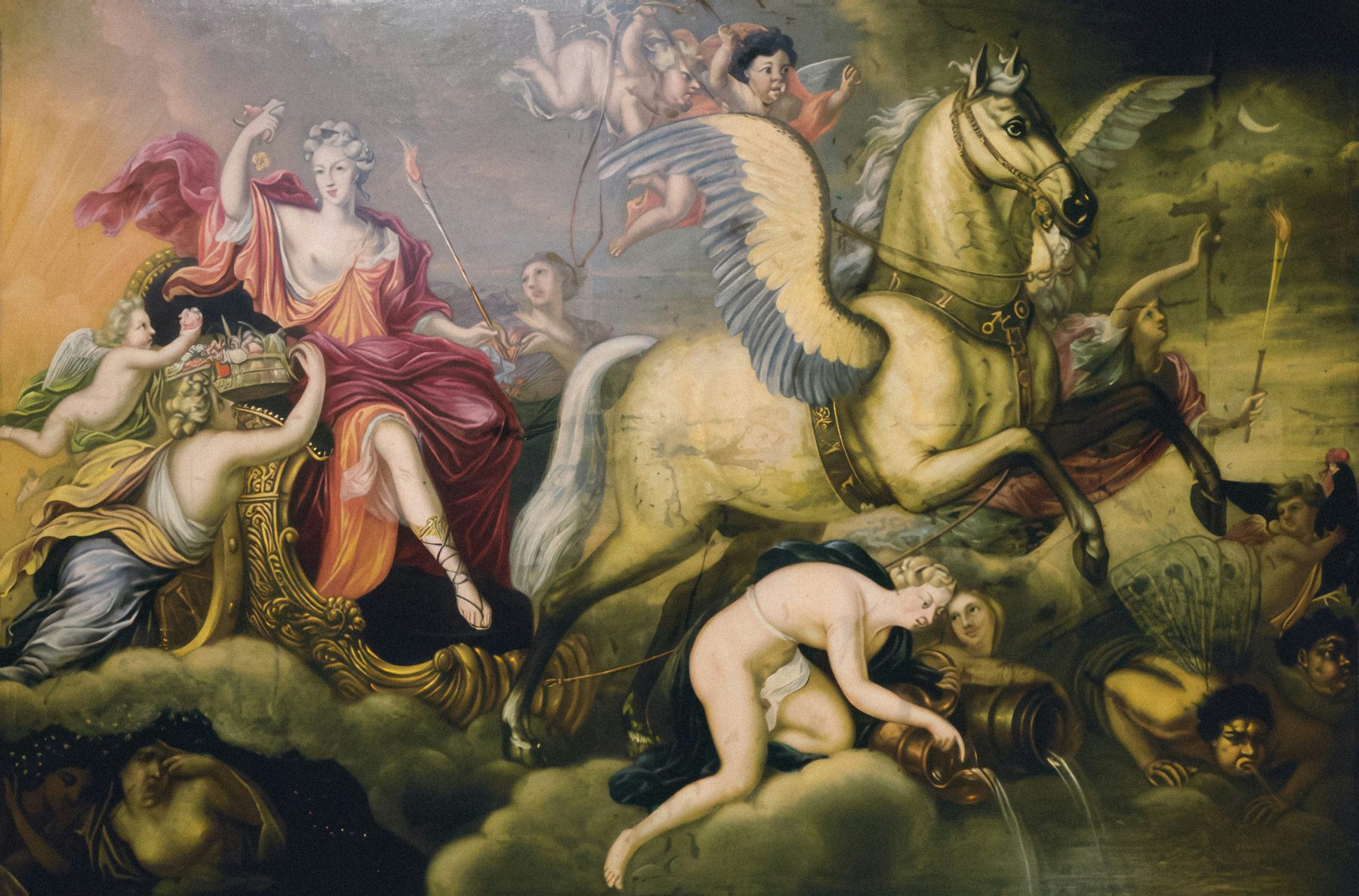
Begin with someone you know and look through your deck for a card that reminds you of them. Then choose a card for yourself as you are with that person and put the two together. You now have something you can look at while you describe the relationship: the place you take, what you expect of the other person, and what seems to happen between you. You can move the cards, add another when something is missing, and begin to construct a story with the images.
As you explain your choices, you may notice that you have given the other person most of the attention, or that the version of yourself beside them is quite different from the person you are with your friends. You might see a familiar exchange in a picture you had never considered relevant, or find that a card you chose affectionately leaves out something you have been reluctant to acknowledge. The pictures give you a way to ask about these things while keeping the people and the relationship in view.
The arrangement records how you are seeing the relationship on this occasion. What another person thinks, intends, or wants still has to be learned through what they tell you and what they do.
Before you begin
You will need one tarot or oracle deck, somewhere to arrange the cards, and a notebook or a few sheets of paper. An illustrated deck gives you more to work with as you construct the story. The pictures on the cards do not need to contain people. An animal, a landscape, or an object may describe how you experience someone just as well. With a deck made mainly of words, use the words to describe the attitudes or actions you associate with each person.
Choose cards face up as you work through the practice. The reasons you reach for a particular card are part of what you are examining. You do not need to know its traditional meaning or consult a guidebook before you can begin.
Keep the whole deck available for each new layout. If the same card fits both people, write its name on a slip for the second position, or record the first choice and return it to the deck before choosing again. Photographing the arrangement can be useful, although writing down the cards, their positions, and why you chose them is enough. Include the deck name, since different pictures with the same title can lead to different accounts.
Working with one relationship
1 Choose the relationship and the occasion
Start with someone you want to understand better or a relationship in which you want to look more closely at yourself. It may be your partner, a family member, a friend, or someone you work with. Choose an occasion you remember well enough to describe, perhaps a conversation that stayed with you or an afternoon when you felt particularly comfortable together. An ordinary exchange can give you as much to consider as an argument. Write down what happened before you choose cards. Include what you were doing, how you felt before the other person arrived or spoke, and anything that changed during the encounter. Record what each of you said or did, including your own response. If you are considering a recurring pattern, describe a recent occasion when it happened so that you have something more definite to return to than "we always do this."
Keep the question close to the relationship. "I want to understand why I become so apologetic when she asks me for something" gives you an exchange and a response to examine. You can also begin with something you value and want to understand, such as why it feels easy to ask one friend for help when you struggle to ask anyone else.
2 Choose a card for the other person
Look through the deck and choose a card that resembles how you experienced this person on that occasion. You may recognize a posture, an expression, something the figure is doing, or a quality the whole picture brings to mind. Choose the image that interests you even if you cannot explain the resemblance immediately, then write about what drew you to it. The explanation often becomes clearer as you try to describe it.
A familiar tarot meaning can be part of the choice. If a Queen reminds you of your mother or an Emperor reminds you of your manager, follow the association and then look at what you have selected. Does the picture resemble how the person behaved, the role they occupy, or how you feel around them? You may have chosen a card because the person is expected to be caring, decisive, or knowledgeable, and the actual encounter may have involved something quite different. A court title need not match the person's age or gender. With an oracle card, the same attention applies to a word such as Protector, a solitary animal, or a house with no visible entrance.
Write the person's name beside the card and finish the sentence, "I chose this picture because..." Include something from the encounter that supports your choice. If the card mainly describes what you wanted from them, record that too.
3 Choose a card for yourself with them
Now look through the deck for yourself in the same encounter. Consider the person you became in their presence, including what you showed and what you kept to yourself. You may have appeared agreeable while waiting for a chance to leave, or felt capable and relaxed because you trusted the other person to say what they needed. A card can describe an action, a feeling, or a position you took. Give yourself enough attention to know which of those you are choosing. You might recognize the accommodating child you still become around a parent, the person who takes charge before anyone has asked, or a version of yourself who is more playful with this friend than anywhere else. These are responses to consider in a particular relationship. Look for the detail that helps you recognize them, including a quality you enjoy and would like to have more room for elsewhere.
Label your card and explain the choice as fully as you explained the other person's. Ask what you wanted from them and whether you expressed it. What were you preparing for before they spoke? What did you do when the exchange went differently? Notice which person's card was easier to choose and what you avoided acknowledging while you searched for the other. If you find it easier to describe their faults than your own position, return to what you actually said or did and choose from there.
4 Arrange the cards as the relationship felt
Place the cards where they seem to belong in relation to each other. They might be close together, far apart, facing toward one another, or positioned so that one appears to be following the other. You can put a card behind another if that resembles how the encounter felt, or leave a space between them for something that is hard to describe. There is no required spread to reproduce. Choose an arrangement and explain why you made it.
Look at what becomes visible when the pictures are together. Does a gesture in one image seem directed toward the other? Is someone offering while the other appears occupied elsewhere? Have you placed yourself below a person whose approval you wanted, or at the edge of an exchange in which you expected to be included? Keep track of what belongs to the printed pictures and what your arrangement adds. The apparent exchange between figures on separate cards is something you have constructed to describe your experience of the relationship.
You can add a card for the relationship itself if that helps you show something neither individual card contains. Give that position a description of your own, such as "what happens when we try to make a decision" or "the closeness I feel with him." If you add a card for what you want the relationship to become, label it as a wish so that you can distinguish it from what you experience now.
5 Tell the story the cards make together
Describe the arrangement in ordinary language. Explain who each card stands for and what you see happening between them, then connect that story with the occasion you wrote about. You can speak it aloud first if that is easier. Include where the exchange began, what each person did next, and how it ended or where it remains unresolved. Let the pictures help you say something more specific than "she is controlling" or "I am too sensitive."
For example, suppose you choose the Ten of Wands for yourself and the Queen of Swords for a colleague. The image of a person carrying a bundle reminds you of the work you have taken on, while the seated figure with a sword reminds you of your colleague's authority to decide what gets done. Placed together, the cards might prompt you to write, "I keep bringing her more work I have agreed to do, and then I wait for her to tell me I have done enough." That is something you can investigate. You can look at what she assigned, what you volunteered for, and whether you have asked her to help you decide what can wait. The card choice does not decide those answers for you.
Write the story as it occurs to you before trying to improve it. Notice any part you find difficult to include, especially an action of your own, an offer you declined, or something the other person said that does not fit the account you usually give. You can leave the first version on the page and write a different version beside it as your understanding changes.
6 Look again at the pictures and the encounter
Return to each card and look for a detail your story has passed over. You have already given the image a role, and that can make other parts of it difficult to see. The person you described as withdrawn may be attending carefully to something. The figure you called generous may be controlling how much is given. A picture you associated with helplessness may include a resource you barely noticed. Ask whether the detail changes the comparison, and return to the encounter to see whether there is anything there that supports it.
Attend to what the pictured things do as well as what they suggest. A hand extended toward someone does not show that anything has been received. A doorway can permit passage between spaces, but you need to look at whether there is an opening and what is on either side. A freestanding door in a forest may offer no passage that walking around it would not provide. If you have called it an escape, ask what it could actually change. Then consider the comparison with your relationship: does the opportunity you describe have the means to accomplish what you expect of it? The image raises that question; you still need to examine the circumstances of your life to answer it.
Questions to follow
- How were you feeling before the encounter began, and how much of that feeling have you attributed to the other person? What changed once you were together?
- What do you notice about the place you gave yourself? Does it describe your conduct, how you felt, what you wanted, or the way you would like to be remembered? If you have made yourself the reasonable one or the person carrying everything, what did you do that complicates that position?
- What did each person do that affected the next part of the exchange? Did either of you make an opening the other missed, accept a refusal, or continue after somebody had tried to stop?
- Which part of your story depends on a motive you have assumed? What did you observe, and what else could account for it? What remains accurate even if your explanation of the other person changes?
- What does either image include that your account has left out? Are you overlooking affection, competence, or pleasure as readily as you might overlook irritation or control?
- Where does the picture stop resembling the occasion? What would you need to change in your account to acknowledge that difference?
Your first choice can remain useful while your understanding of it changes. A second card is helpful when it brings a neglected aspect into view, rather than becoming a way to replace an uncomfortable account with a more agreeable one. Keep a note of why you changed a card, including whether you learned something about the person or simply became aware of another response in yourself.
7 Give the other person more room in the account
Look at the card you chose for them and consider how much of it describes what they do for you, what you want from them, or what frustrates you. Now ask what you know about their experience of the occasion. What did they say they wanted? What responsibilities, limits, or concerns were they dealing with? You may have enough information to recognize something your first account missed, or discover that you have never asked.
Choose another card for an aspect of the person that the first image leaves out. Begin with something you have observed or they have told you, such as the pleasure they take in their work, a responsibility they have elsewhere, or a different way they behave with someone else. Explain both choices and consider how they might belong to the same person. The person who gave you an abrupt answer may also have spent time trying to help you earlier in the day. That does not decide whether the answer was fair, but it changes an account in which nothing except the abruptness was allowed to remain.
You can also look at your own card from their likely position. What could they see of you, and what had you kept private? If you were disappointed but said you did not mind, what information did they have to respond to? Any imagined account of their perspective is a possibility to check, and you can identify the questions it raises without giving yourself their answers.
Understanding more of someone does not require a kinder explanation on every occasion. You may recognize a genuine limit in the relationship, including something you keep expecting them to provide after they have repeatedly declined. You may also see help or affection that you have been reluctant to receive. Give both possibilities the attention their actual conduct supports.
8 Decide what to carry back into the relationship
Look over the cards and your notes and name what you understand more clearly. It may concern the other person's behavior, a wish you had not expressed, or something you do before you have considered whether you want to. Write it in language you could use without mentioning the deck. Then decide whether anything follows from it. You might ask a question, make a request, accept an offer, or tell someone that an arrangement no longer works for you. Describe the action within your control and keep it separate from the response you hope to receive. If you want more information, be specific about what you do not know and how you might learn it. You can also decide that an observation needs more time before you act on it.
Record the cards, their positions, and the part of the inquiry you want to revisit, then return them to the deck. When you have another encounter with the person, notice what happens in the exchange as well as whether your interpretation seems accurate. You may respond differently and learn something you could not have learned by continuing to rearrange the cards.
Following the ideas within a relationship
Sometimes the story you make with the cards points to an idea you bring into several relationships. You describe yourself as caring, for example, and begin to notice that care often involves anticipating what another person needs before they ask. You can then examine what you expect that care to accomplish and whether the people receiving it understand it in the same way.
The exercises below extend the practice you have just used. Choose one that belongs to the encounter you are considering, or begin a new account with a different person. Keep a card for yourself and a card for the other person in the arrangement. You can add a card for the subject if neither picture gives you enough to examine. With one deck, use a labeled slip whenever a card needs to appear twice.
You do not need to work through every question. Follow the ones that help you examine both the exchange and your understanding of the subject. The aim is to become more specific about the relationship, including where the other person may understand care, generosity, or belonging differently from you. These subjects are starting points; follow questions about play, trust, privacy, or anything else the cards bring into view.
Care and obligation
Recall an occasion when somebody wanted or needed something from you. Include what was asked, what you said, and what happened afterward. If you anticipated a need without being asked, record that difference. Choose the relationship cards with attention to how you provided or withheld care and how the other person responded.
Describe anything in the pictures that supports, carries, feeds, shelters, or tends something. If none of those activities appears, begin with the detail that led to your choice. Consider what the pictured action can accomplish and what allows it to continue. A person carrying a load may be doing useful work; the picture may leave its weight or the remaining distance unknown. Look before deciding that the figure is overburdened.
Write about what care meant to you in this exchange. If your card shows providing everything, look for another image that allows receiving, shared effort, enjoyment, or a practical limit. Consider whether the other person seemed to share your understanding of what was needed.
Questions to follow
- What did you believe a caring person would do, and where did you learn that expectation? Did you agree with it then, and do you agree with it now?
- At what point, if any, did willingness become obligation? Was there an agreement, a consequence for refusing, or an expectation neither person had put into words?
- Could the other person decline your care, use it differently, or tell you what would help? How did their response affect your willingness to listen or continue?
- If the care felt burdensome, what made it so: the task, the relationship, your condition that day, or the position you felt required to take? Which parts were satisfying or freely chosen, and have you given those enough attention?
Return to the exchange and write what you want to continue, what needs different terms, and what you cannot decide without asking. An obligation can be real and still require help or renegotiation.
Giving and receiving
Choose an occasion involving a gift, a favor, or an offer of help, whether you offered or received it. Describe anything said about repayment, gratitude, use, or future contact. If you agreed to an exchange, record its terms even if somebody later called it a gift. Choose cards for yourself and the other person as you experienced the offer and the response.
Look at the physical arrangements in the pictures. If something is being passed, who holds it? Can another person take it? Is anything actually shown as received? If the cards depict something else, examine that detail instead of inventing a completed exchange. Compare what the pictures allow with what happened between you.
Consider what a gift requires of its recipient. You might expect thanks, use, reciprocity, or a place in the person's life. Write about the generosity you admire and the generosity you find difficult to receive. They may differ in ways you had not considered.
Questions to follow
- What did you hope would follow the offer, and which part of that hope had the other person been told? Did their response change how you felt about giving or receiving?
- What did you treat as evidence of gratitude, indifference, control, or indebtedness? What supports that reading of their conduct?
- Could the recipient refuse without punishment or an argument? If the gift was welcome, what helped them receive it without feeling diminished or beholden?
- Have you treated appreciation as a promise, or kindness as an agreement to return intimacy? What did either person actually agree to?
Write a more specific account of what was offered and what followed. You may want to thank someone, accept help, clarify a condition, or make a request you had hoped the gift would communicate. If you gave freely, record what made that possible too.
Authority and permission
Recall an encounter in which someone could decide, approve, teach, or set a limit. You may have held that position yourself. Describe the decision, what each person controlled, and any practical consequences of disagreement. Choose cards for both people with those conditions in mind.
Examine what makes authority seem present in either picture. A crown can display rank, a seat can elevate a figure, and a group can be listening. Those details alone do not establish whether a person can carry out a decision. Consider the use and context of the object that caught your attention: a ceremonial sword and a tool used for cutting do different work even though both have blades.
Write about what makes authority legitimate to you. Consider competence, a shared agreement, an inherited position, care for the people affected, or something the image introduces. Return to the actual decision and ask which understanding was operating between you.
Questions to follow
- Which part of your response concerned the instruction, and which concerned being instructed? What happened that helps you distinguish them?
- Who had the resources, position, or consent to make the decision effective? Have you confused confidence, status, or your own fear with that capacity? Does the picture support your account, or have you relied on its title?
- If you held authority, could the other person question you? How did their response affect your willingness to listen?
- Is there a necessary limit you dislike receiving, or a limit you have accepted that deserves challenge? What makes the difference? Are you seeking permission from someone who actually has the power to give it?
Write any question or request in ordinary language, without the card names. Check that it communicates the decision, permission, or information you need to discuss with the person involved.
Leaving and belonging
Choose an occasion involving a departure, a change in availability, or a wish for more distance. It may concern you or the other person. Include what was said about leaving and what you imagined would follow. Keep a possible departure distinct from one that has happened. Choose both relationship cards to show how you experienced each person's position.
Look at movement, boundaries, paths, and means of passage. A figure turned away could be resting, attending elsewhere, or departing; posture alone may leave the action uncertain. If there is a vehicle, consider what it can carry and what would allow it to move. Keep a pictured destination separate from one you have imagined. Ask whether the way out you have described can perform that function under the conditions shown.
Explore what happens to belonging when someone wants to leave. You may be considering physical distance, a change of role, or a person's wish to stop providing something. Write about what belonging has offered and what its continuation has required.
Questions to follow
- What do you believe leaving communicates about love, loyalty, failure, or relief? Which belief arose from this occasion, and which was already familiar? What has the other person actually said about the change?
- Are you waiting for an event to give you permission or make a departure complete? What could that event accomplish, and what would still require action from you? If the picture leaves the destination unknown, can you leave it unknown too?
- Which resources, responsibilities, safety concerns, or choices made by another person affect what is possible? What would staying or leaving require under your actual circumstances?
- Could the relationship continue in another form, and do both people want that? Are you using that possibility to avoid acknowledging an ending somebody has made clear? Have you also allowed relief, interest in a different life, or renewed affection to appear alongside loss?
Record a practical condition that needs attention or a question you still need to ask. You may decide to support a departure, change the terms of staying, or allow yourself more time to understand what is possible.
Other ways to use the same practice
Beginning with a question the picture introduces
Requirements: one illustrated tarot or oracle deck. Keep the full deck available after choosing the first card.
Sometimes you return to the cards with the same concern and find a version of it in every picture. Try beginning without naming a relationship or a problem. Choose a card you usually pass over, or shuffle and draw one. Describe a detail that holds your attention and consider the activity or relationship it makes possible. A person working alone might lead you toward concentration, privacy, ambition, or the pleasure of skill. Follow what is pictured before settling on the subject.
Write a question that develops from that detail, then recall an encounter in which it becomes personal. A question about privacy might bring you to a conversation in which someone asked to be left alone. A question about competence might recall a friend's pleasure in showing you something they had made. Choose cards for yourself and the other person in that encounter, using a slip if the first card is needed again, and work through the relationship practice.
Ask whether the picture introduced something you had overlooked or whether you steered it back toward your familiar concern. What does your answer assume about privacy, competence, or the subject that emerged? Could the other person's words or another occasion challenge that assumption? Record the detail that began the inquiry and what happened to the question when you considered an actual relationship. You can finish with a better question even if you have not answered it.
A conversation with an image
Requirements: one illustrated tarot or oracle deck and space to write an imagined dialogue.
Choose a card from your relationship arrangement that you want to understand more fully. Describe it, then write a question to a figure, an object, or the scene. Ask about something pictured or an assumption you notice yourself making. Allow an answer to occur in writing and reply as yourself. If no voice develops, continue describing; you do not have to force a conversation.
Read the exchange afterward and distinguish what the picture contains from the words, actions, and surroundings you supplied. Did a reply surprise or irritate you? Did the imagined figure have room to disagree? Look for any detail you changed or resource you invented to make an answer possible. Keep those additions in the record so you can examine the difference they made.
Then return to the relationship. The dialogue may help you recognize an expectation you bring to someone, including a response you have wanted from them. If the figure resembles that person, keep their actual words separate from the dialogue. Write down what you now want to understand about your own response and anything you would need to ask them through ordinary contact. Their answer remains theirs to give.
A family or a group of friends
Requirements: one tarot or oracle deck, notes, and slips for repeated cards. Four suits and Major Arcana are not required.
Choose an occasion involving the people you want to consider and make a card selection for each of them, including yourself. Explain the choices before arranging the group, then place the cards to show how the relationships felt. You might notice that someone connects people who otherwise keep their distance, or that your attention is directed toward a person who was absent. Give the absence a label if you include it, so that it remains distinguishable from somebody's participation in the actual occasion. Tell the story of the arrangement and look at your own place within it. Who do you turn toward, speak for, or expect to manage the difficulty? Whose card was easy to choose, and whose experience have you barely considered? Notice whether the portrait describes what happened or preserves a familiar family account in which everybody already has a part. If a different card seems possible for someone, look for an actual example that would support it.
Yourself in different relationships
Requirements: one tarot or oracle deck and a written or photographed record of each layout. Return all the cards between layouts so that the same image remains available.
Choose cards for yourself in separate encounters with different people. Include the other person each time, so your response remains connected with the relationship. You could consider the way you are with a parent, with your partner, and with a colleague, using occasions you remember well. Record each arrangement, clear it, and make the next before comparing the records.
Look at what becomes easier in one relationship and difficult in another. Where can you disagree, receive care, admit uncertainty, or enjoy being capable? What differs about the other person's conduct, your responsibilities, or the consequences of speaking? A repeated card can help you investigate a familiar response, while a different card may show you a capacity you already have and do not often bring into another setting. Describe the conditions that make the difference before concluding that one version is your real self.
The same relationship after another encounter
Requirements: one tarot or oracle deck and an earlier dated record. You need a second deck only if you want both physical layouts visible at the same time; photographs, notes, or labeled slips also work.
Return when you have a reason to look again, such as another conversation or information you did not have before. Make the new arrangement with the full deck before rereading your earlier account. If you want to reconstruct the old layout with a second deck, do that afterward from its record. Use slips wherever a card needs to repeat within either layout.
Compare what happened with what you expected. Include any question you asked or response you tried, and the other person's actual words and conduct. A changed card alone is not evidence that a person or relationship has changed. It may reflect another mood or a different aspect of the same person.
Questions to follow
- What new information came through contact, and what changed in your attention or willingness to acknowledge something? Which details of the pictures do you notice now?
- Did the person complicate an idea about care, belonging, or another subject that you had treated as settled? Does the earlier account still describe both the image and the exchange accurately?
- Was the earlier interpretation useful, accurate, both, or neither? An account might have helped you ask a needed question while including an assumption the answer later overturned. What will you retain or revise?
If nothing new has happened, you can leave the earlier account open. Consider whether another layout will help you examine something you missed or is becoming a way to seek certainty about what someone else has not told you.
The same subject in different pictures
Requirements: two illustrated tarot decks to compare corresponding named cards. With two oracle decks, choose images that address a shared subject without assuming the creators intended them to be equivalent. With one illustrated deck, you can compare your own account with its guidebook; that examines different interpretations of one picture rather than differences in artwork.
Choose a card from a relationship inquiry and find its counterpart in the other deck. Keep your account of the actual encounter nearby. Describe each picture separately before reading either explanation. Compare what the people or objects can do: a container may be sealed in one picture and open in another, or authority may appear through a solitary figure in one and a gathering in the other. Describe how the differences affect the comparison with your relationship.
Ask which detail made the first card feel familiar and what the second makes difficult to continue saying. Do the pictures allow the same activity, or does the shared title conceal different conditions? Notice any customary meaning you have supplied to make them agree. Let the second picture introduce a different question when it needs to, then return to the encounter and ask which comparison its words and actions support.
Read the creators' explanations afterward if you wish. Keep useful context alongside the differences you observed. If a guidebook describes a quality you cannot find in the artwork, record that as an interpretation offered by the writer. You can consider it without changing your description of the picture to match.
Comparing accounts with the other person
Requirements: one tarot or oracle deck used in turn, with each person's choices recorded before returning the cards. Two decks allow you to choose independently at the same time; they do not need to have matching images. Both people need to want to participate.
Each person chooses a card for themselves and a card for how they experienced the other during the same encounter. Explain your own choices before commenting on theirs. Ask which details led them to an image and what they wanted you to understand about the exchange. Treat their selection as their account rather than a description you must accept as your whole identity.
Notice where the accounts differ. You may learn that something you meant as help was experienced as pressure, or that a response you thought was visible had not been recognized at all. The cards give you a way to make those differences discussable. You still need to listen to the person explaining them, including when their explanation is different from the one you expected.
Bringing in the structure of tarot
Requirements: one complete tarot deck with four suits and the Major Arcana. This is optional; the relationship practice above does not depend on tarot's structure.
If you know the suits, you can use them to ask about an aspect of the relationship you have overlooked. In many modern tarot traditions, Cups bring attention to feeling and connection; Wands to initiative and effort; Swords to thought, language, and disagreement; and Pentacles to practical conditions and resources. These interests overlap. After making your arrangement, you might look through a suit that helps you consider the work behind an expression of care, or the conversation missing from a practical arrangement.
Choose an additional card only when it gives you something useful to examine, and explain the connection through its picture as well as its customary associations. Courts can prompt questions about how you learn, pursue, sustain, or direct an activity, and a Major can help you consider a larger idea organizing the encounter. The number of cards from a suit does not measure anyone's capacity for feeling, thought, or action. Return to the people and describe what you have noticed in their conduct and your own.
An alternative with ordinary playing cards
Requirements: one standard 52-card deck with Hearts, Clubs, Spades, and Diamonds, plus paper for notes. Remove the Jokers. No tarot or oracle deck is required.
Playing cards give you fewer images from which to construct a story, so this version uses the suits as agreed prompts. For this exercise, Hearts invite attention to feeling and relationship, Clubs to initiative and effort, Spades to thought and language, and Diamonds to practical needs and support. These associations are conventions for the exercise, and the numbers have no prescribed meaning.
Choose a card for the interest that seemed to occupy each person during an encounter, including yourself. Use a slip if the same card fits both. Arrange them and describe how those interests met. You might have been asking for closeness while the other person was trying to settle a practical question, or discover that you both wanted the same thing and had approached it differently. Look at what was said and done before deciding that either account is accurate.
Then consider the exchange through another suit. What changes when you attend to the effort involved, the words used, a feeling, or a practical condition you had left out? Record a question that would help you understand the other person and a response of your own you want to examine. The playing cards organize your attention; you supply the account and remain able to revise it.
A page to keep with the deck
Use these prompts to record an inquiry. You can write at length where something interests you, and leave a question open when you do not have enough information.
- The relationship and the occasion I am considering, including how I felt before it began.
- The card I chose for the other person and the details that led me to it.
- The card I chose for myself with them, what I wanted, and what I said or did.
- The arrangement and the story I made with the images.
- Something in the pictures or the actual exchange that complicates that story.
- An aspect of the other person I had left out, or something I need to ask rather than assume.
- What I want to continue, ask, change, or observe, and what happened when I returned to the relationship.
Date the account and include the deck name. Keep any changes beside the first version so that you can see what led you to reconsider it.
Further reading
These writers offer different ways of working with cards and images. The guide draws on their interests in personal inquiry, imaginative response, and attention to the particular image, while keeping the practice centered on relationships.
Mary K. Greer, Tarot for Your Self: A Workbook for the Inward Journey. A substantial precedent for using tarot independently through writing, visualization, and dialogue. Useful for exploring a relationship with the cards through activities as well as traditional meanings. Book information
Rachel Pollack, The Forest of Souls: A Walk Through the Tarot, revised as A Walk through the Forest of Souls: A Tarot Journey to Spiritual Awakening. Pollack's wisdom readings explore questions beyond the immediate circumstances of a personal reading. Her willingness to investigate an idea informs the questions about care, generosity, authority, and belonging used here; her work also has a spiritual scope of its own. Book information
Yoram Kaufmann, The Way of the Image: The Orientational Approach to the Psyche. Kaufmann's interest in the specificity of images informs the attention to what a picture contains and how its elements function. In this guide, that attention helps you examine whether a story about a relationship remains faithful to the image you chose. The card practices are an adaptation rather than a reproduction of his clinical work. Book information
Janet Boyer, The Back in Time Tarot Book: Picture the Past, Experience the Cards, Understand the Present. A close precedent for connecting the components of remembered events with card imagery. Relevant to beginning with an actual encounter and choosing cards to describe it. Book information
Richard C. Schwartz, No Bad Parts: Healing Trauma and Restoring Wholeness with the Internal Family Systems Model. Schwartz’s Internal Family Systems (IFS) approach explores the different parts within a person, including their concerns, protective roles, and relationships with one another. This offers a useful connection to noticing the different responses that arise around someone: wanting closeness, preparing to withdraw, feeling responsible, or resisting that responsibility. In this guide, choosing different cards for these responses can help you examine what each wants or fears without treating any one response as the whole of who you are. Book information
Bert Hellinger, Gunthard Weber, and Hunter Beaumont, Love’s Hidden Symmetry: What Makes Love Work in Relationships. A reference for family constellation work, which uses representatives placed in space to explore relationships within a family. The relevant connection here is the use of placement, distance, and orientation to consider belonging, exclusion, responsibility, and the positions people occupy in relation to one another. Arranging cards offers a way to examine how you experience those relationships. The arrangement remains your account to investigate and revise through what you learn from the people involved. Book information
© 2026 Bethany Hiitola | Mirth and Myth, LLC. All rights reserved.
Questions or thoughts about this piece? Get in touch.